
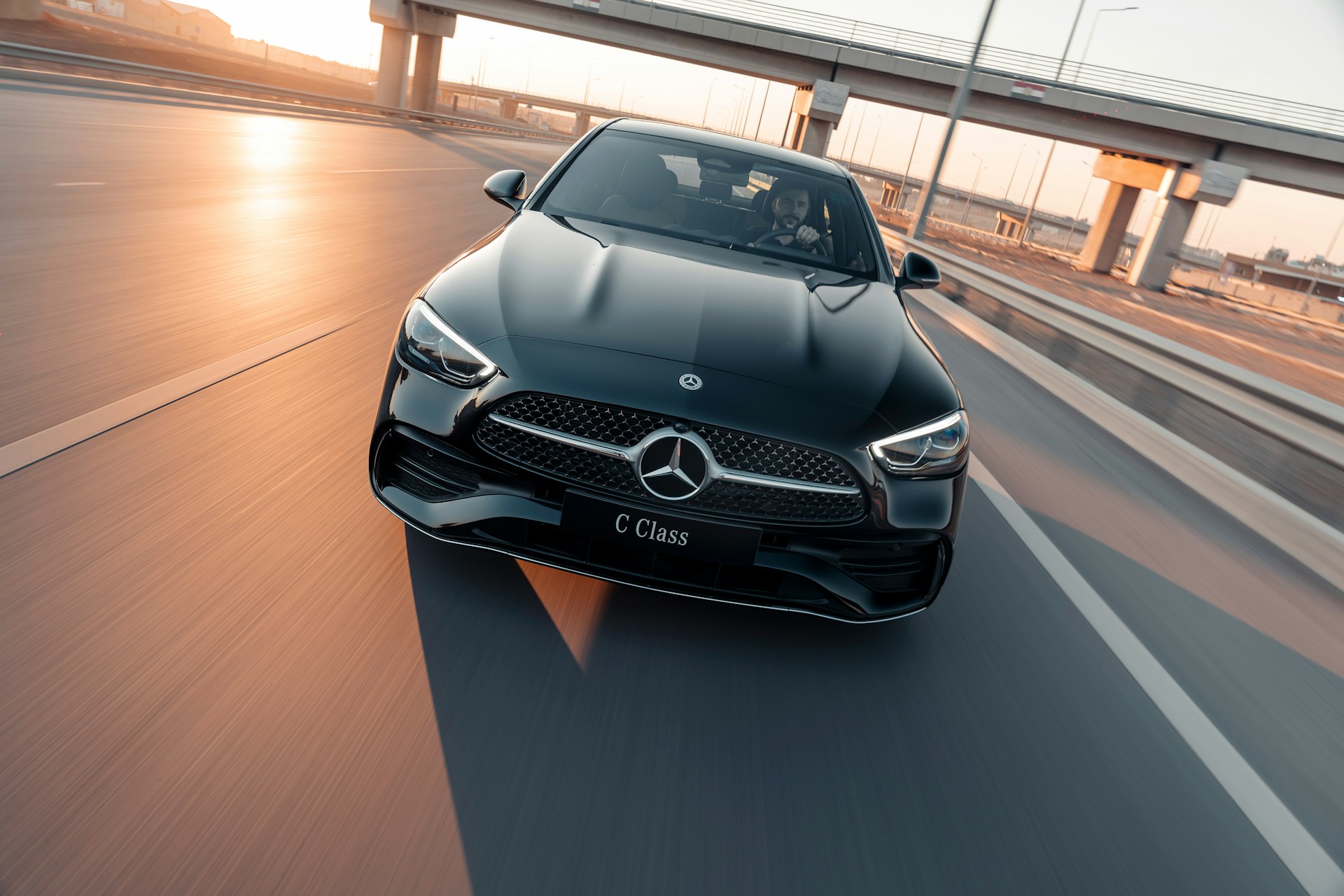
Luxury cars have always promised comfort, elegance, and powerful performance, but safety has become an equally important part of the experience. Modern luxury vehicles are packed with intelligent systems that actively help drivers avoid accidents and protect passengers during unexpected situations. These features go far beyond traditional seatbelts and airbags. Advanced sensors, cameras, and computing systems now watch the road, monitor driver behavior, and react faster than human reflexes in many cases. As a result, today’s luxury cars act almost like silent co-drivers, always alert and ready to intervene. For buyers considering premium vehicles, understanding these advanced safety technologies helps explain why luxury models often lead the automotive industry in protective innovation and smart driving assistance.
Adaptive Cruise Control with Stop-and-Go Capability
Adaptive cruise control has become a staple safety feature in many luxury cars, but the latest versions are far more advanced than earlier systems. Instead of maintaining a fixed speed like traditional cruise control, adaptive systems constantly monitor traffic ahead using radar and cameras. When the vehicle detects slower traffic in front, it automatically reduces speed to maintain a safe following distance. Once the road clears, the system gradually accelerates back to the chosen speed. Some models also include stop-and-go capability, which allows the car to come to a complete halt in heavy traffic and move again once traffic begins to flow. This feature is particularly helpful during long highway drives or congested urban traffic. Drivers experience less fatigue, while the system helps reduce the risk of rear-end collisions caused by delayed human reactions.
Automatic Emergency Braking
Automatic emergency braking is another highly valuable safety innovation found in many luxury vehicles. This system constantly scans the road ahead using sensors and cameras to detect potential collisions with pedestrians, vehicle or obstacles. If the system detects that a collision may occur and the driver does not react quickly enough, it can apply the brakes automatically. In some situations, it first provides audible or visual warnings to alert the driver before activating the brakes. The goal of this feature is simple: reduce the severity of an impact or avoid it entirely. Even a small reduction in speed before a collision can greatly decrease injuries and damage. Because of its effectiveness, this technology has become an important standard in premium vehicles.
Lane Keeping Assist and Lane Departure Prevention
Driver distraction remains a common cause of road accidents. Luxury cars now include lane monitoring systems that help keep vehicles centered within their lane. Lane departure warning systems use cameras to read road markings. If the vehicle begins drifting out of its lane without signaling, the system alerts the driver through visual warnings, sounds, or steering wheel vibrations. More advanced systems go a step further with lane keeping assist. Instead of simply warning the driver, the car gently adjusts the steering to guide the vehicle back into the correct lane. The correction feels subtle but effective, helping drivers maintain control during long trips or moments of distraction. This technology is particularly useful on highways where small steering mistakes can lead to dangerous situations.
Blind Spot Monitoring and Rear Cross Traffic Alert
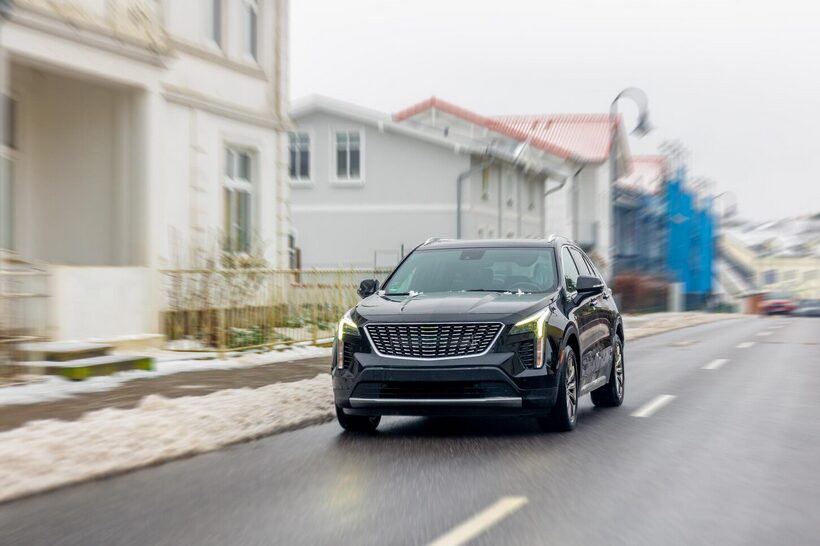
Changing lanes can sometimes be risky because certain areas around a vehicle remain difficult to see using mirrors alone. Blind spot monitoring systems solve this problem by placing sensors along the sides of the car. When another vehicle enters the blind spot, a small warning light usually appears in the side mirror. If the driver attempts to change lanes while another vehicle is present, the system may issue additional alerts or even apply slight steering corrections in some models. Rear cross traffic alert works in a similar way but focuses on reversing situations. When backing out of parking spaces, sensors scan the area behind the car for approaching vehicles or pedestrians. If something is detected, the driver receives a warning, helping avoid collisions in busy parking lots.
Driver Attention Monitoring Systems
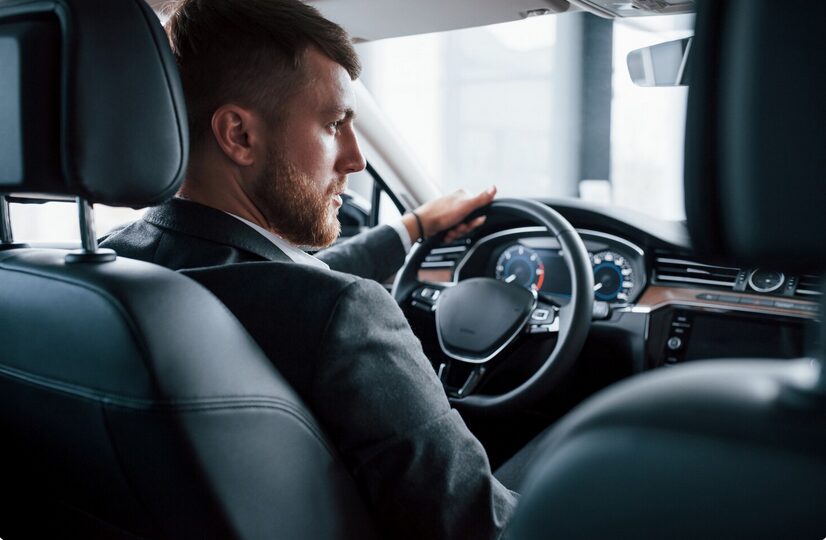
Even the most experienced drivers can lose focus during long journeys. Luxury vehicles now include driver monitoring systems that track signs of fatigue or distraction. These systems analyze steering behavior, driving patterns, and sometimes even eye movement through interior cameras. If the system detects signs that the driver may be tired or inattentive, it sends alerts suggesting a break. Some vehicles also display coffee cup icons or gentle warning messages on the dashboard. While the alerts may seem simple, they serve an important purpose by encouraging drivers to rest before fatigue leads to a dangerous situation. As driver monitoring technology improves, it continues to play a growing role in accident prevention.
Modern luxury cars combine advanced engineering with intelligent safety technologies that actively support drivers on the road. Features such as adaptive cruise control, automatic emergency braking, lane keeping assistance, blind spot monitoring, and driver attention systems work together to reduce risks during daily driving. These innovations show how automotive technology continues to evolve, turning vehicles into smarter and more protective travel environments. For drivers who value comfort, performance, and advanced safety, modern luxury vehicles provide a strong example of how technology can improve both convenience and protection on the road.